
Hardwood Floor Refinishing vs. Replacement: Which Should You Choose?
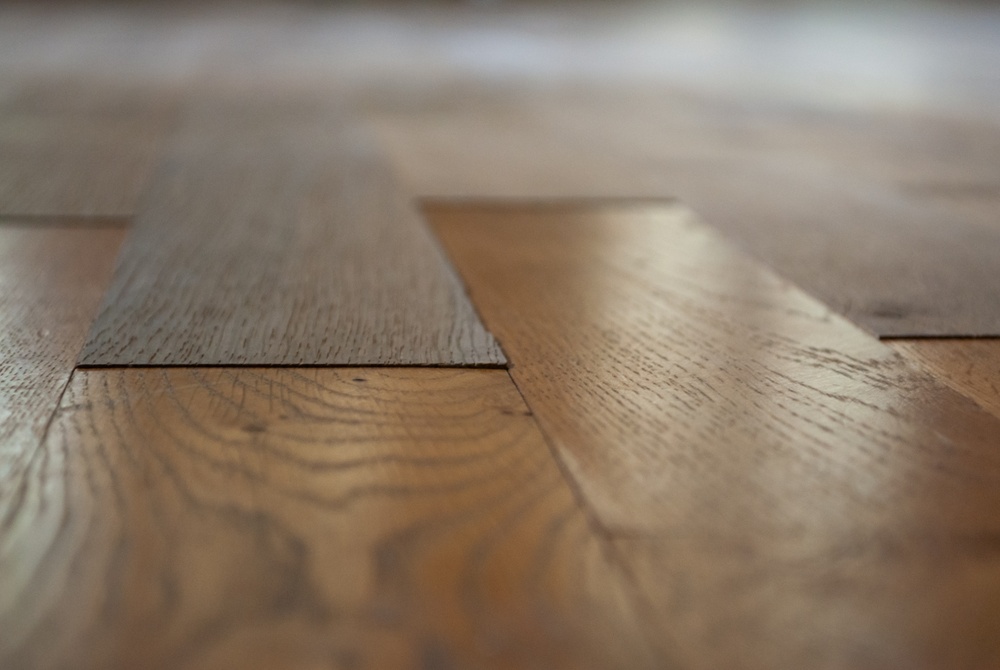
Hardwood floors can add warmth, character, and long-term value to a home, but even the best floors eventually show signs of wear. Scratches, dull traffic paths, stains, gaps, and fading can leave homeowners wondering whether the floor can be restored or if it is high time to start over.
That is why many turn to our hardwood floor refinishing company in Greensboro for guidance when they are unsure which direction makes the most sense. Understanding the difference can help you make a more confident decision before investing in the project, so let’s take a closer look.
Is it better to refinish hardwood floors or replace them?
It is usually better to refinish when the damage is mostly surface-level and the boards are still structurally sound. Replacement is often better when the damage goes deeper, sanding has been done too many times, or the material itself is no longer performing well. The best choice depends on what is happening beneath the visible wear.
1. Refinishing works well for surface wear
It is designed to remove worn finish, light scratches, faded color, and dull traffic patterns. If it still feels solid underfoot but looks tired, it may be enough to restore its beauty. The process can refresh the color, smooth the surface, and add a new protective finish. Many are surprised by how much better it can look once years of surface wear are properly removed.
2. Wood thickness matters
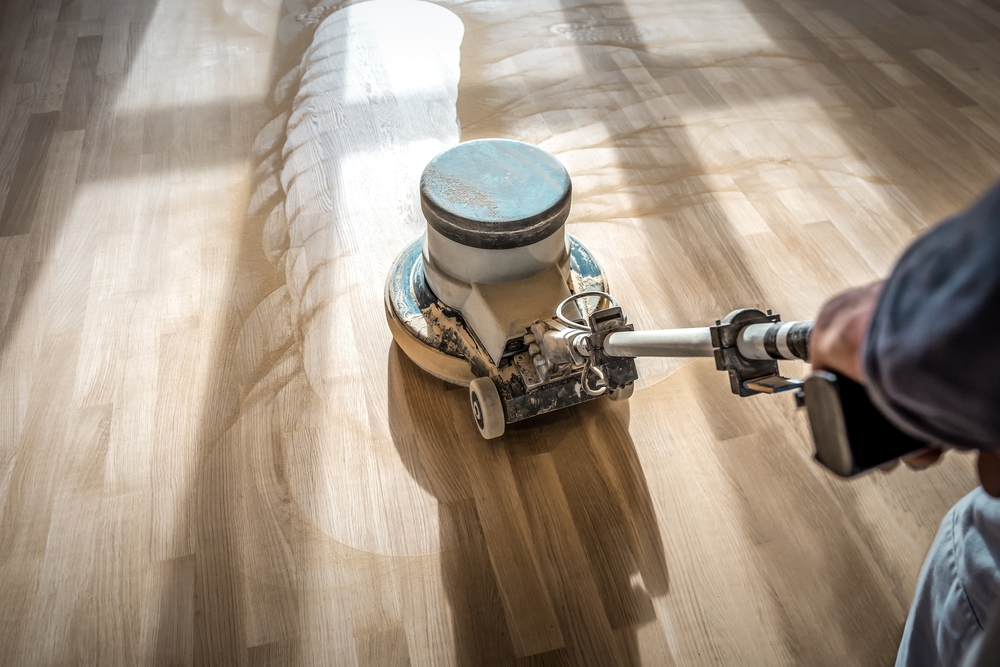
Refinishing requires sanding, and there must be enough wood above the tongue-and-groove or core layer to do that safely. Solid hardwood can often be refinished multiple times over its lifespan, depending on how much material remains.
Engineered hardwood is different. Some engineered products have a thick enough top layer for light refinishing, while others do not. A professional evaluation can help determine whether refinishing is safe.
3. Replacement may be better for serious damage
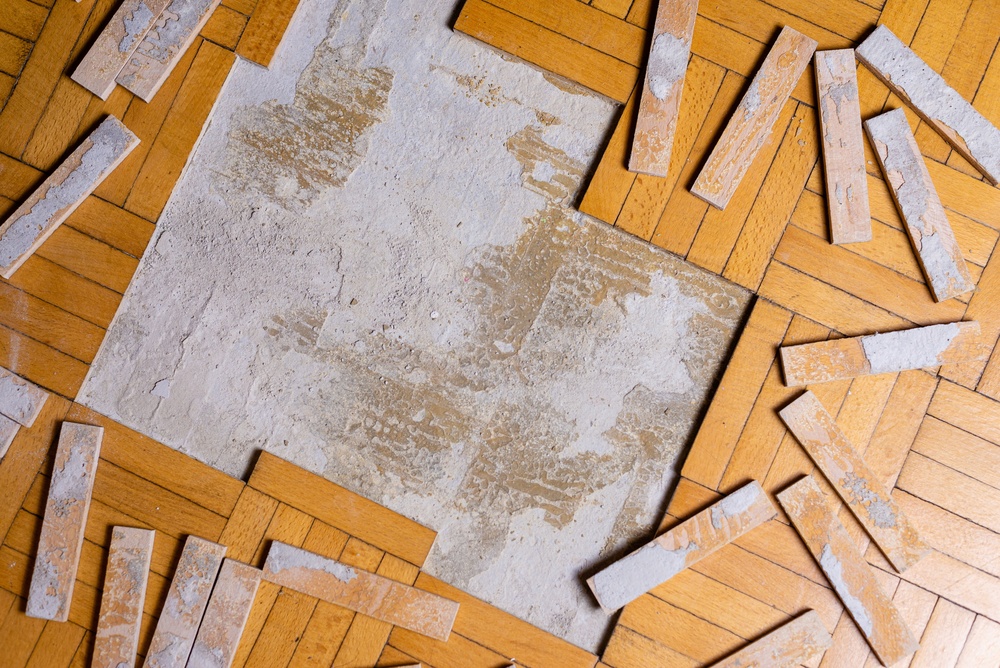
Some problems go beyond the surface. Deep water stains, widespread cupping, warping, severe gaps, broken boards, or soft areas may point to damage that refinishing cannot fully correct. If moisture has affected the wood, the cause should be addressed before any new finish is installed.
Replacement may also be the better option if several boards are unstable or if there are widespread structural issues. In those cases, refinishing might improve the appearance temporarily but leave the underlying problem unresolved.
4. Consider the look you want
Refinishing gives you the chance to update the stain color and sheen, but it does not change the species, board width, or layout. If you like your current hardwood and mainly want it to look fresh again, this may be ideal.
If you want wider planks, a different wood species, a more modern look, or a product that fits your lifestyle better, replacement gives you more flexibility. It allows you to choose what matches your current design goals instead of working within the limits of the existing material.
5. Think about long-term value
Refinishing is often a cost-effective way to extend the life of quality hardwood that still has years left in it. Replacement can be a stronger investment when the old floor is no longer reliable or does not fit the home anymore.
The right choice is not always the cheapest short-term option. It is the one that gives you the best balance of appearance, durability, and future maintenance.
6. Room conditions should guide the decision
Busy kitchens, entryways, hallways, and family rooms may need flooring that can handle more wear. Areas with moisture concerns may call for a product with better stability. If the current one has struggled in that space, replacement may allow you to choose something more appropriate.
On the other hand, bedrooms, dining rooms, and living areas with mostly cosmetic wear may be excellent candidates for refinishing.
7. A professional assessment prevents guesswork
It can be hard to tell from appearance alone whether it should be replaced or not. What looks worn out may still be restorable, while one that looks decent may have thickness or moisture issues that limit repair options.
A professional can inspect the boards, check their stability, evaluate the finish, and explain what each option would involve. That guidance helps you avoid spending money on the wrong solution.
Where can I find a reputable hardwood floor refinishing company in Greensboro & nearby?
 If you just can’t seem to decide between one or the other, Premier Hardwood Flooring can help you understand your best options. Our team works with homeowners who want honest recommendations and floors that fit their home, style, and long-term goals.
Whether your home is near the Greensboro Science Center or elsewhere in the area, we are ready to help you restore or replace your floors with confidence. Reach out to tell us what the issue is, and we’ll use our experience and expertise to help you choose the best long-term option for your home. Call us today!