How Hardwood Flooring Can Change the Look and Feel of an Older Home
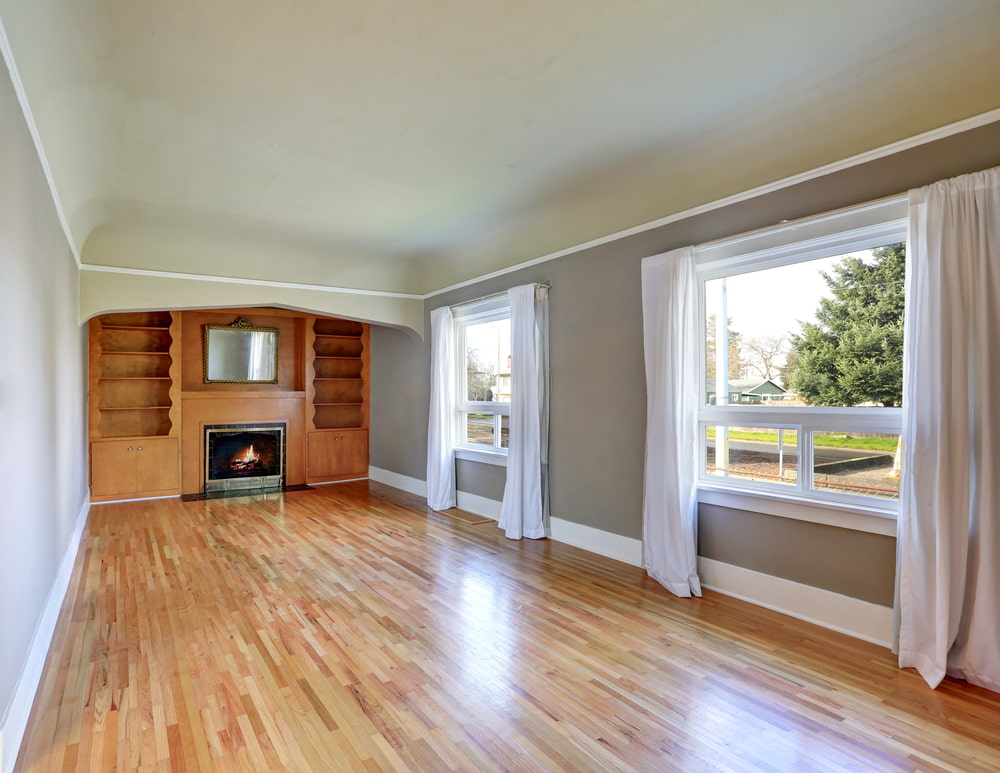
Older homes often have details that newer construction tries to recreate: substantial trim, distinctive room proportions, original millwork, or architectural features that give each space its own personality. The wrong surface underfoot can compete with those details, while a thoughtfully chosen wood floor can help the rooms feel more connected.
When considering hardwood flooring in Winston-Salem, it helps to look beyond color alone. Board width, species, and finish should work with the home’s existing character rather than make the interior feel like two different eras pushed together.
What flooring adds the most value to a house?
Hardwood is often appealing because it can provide a long service life while giving homeowners flexibility to refinish the surface later. Its effect on a particular home’s value still depends on the quality of the material, workmanship, condition, and what buyers expect in that market.
In an older home, hardwood can also feel like a natural fit with the existing architecture. When the board proportions and finish work with the surrounding details, the floor feels like part of the house rather than a newer element added on top of it.
It can reconnect rooms that have changed over time
Older houses often collect renovations from different decades. One room may have carpet while another has tile, and a hallway may introduce a completely different surface.
Using compatible wood across connected spaces can make those transitions feel more natural. The rooms do not need to match exactly; sharing the same flooring material can help the interior feel more cohesive.
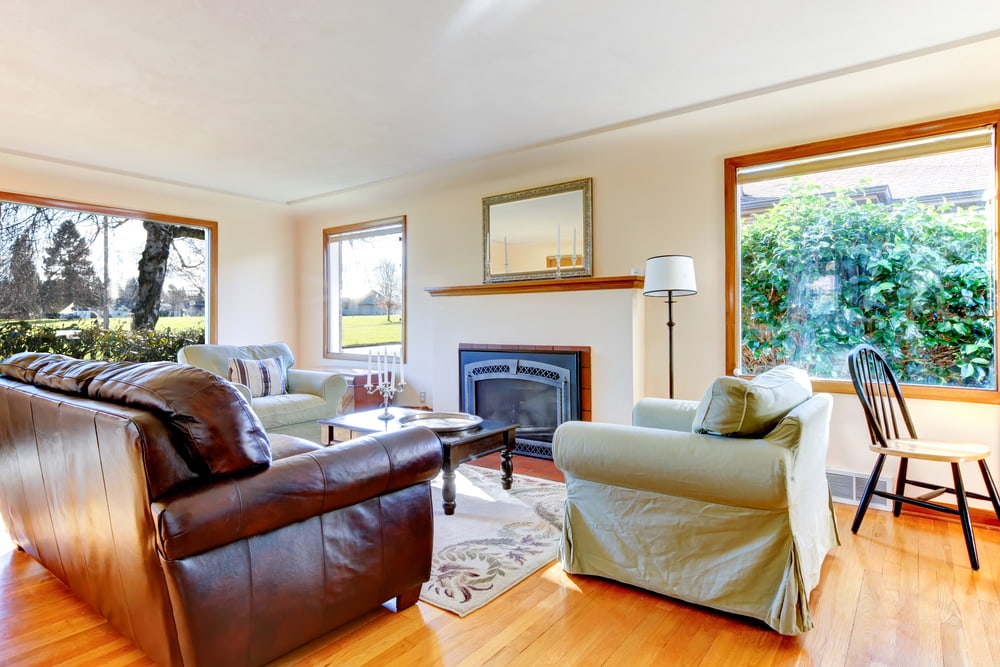
Plank dimensions matter too. Choosing a plank width that suits the proportions of each room can help new flooring feel balanced rather than oversized or out of place.
The right species can complement existing woodwork
Original doors, stairs, cabinets, or trim can influence which species belongs in the room.
Oak brings visible grain that often works comfortably beside traditional details. Maple creates a quieter appearance when the surrounding architecture already carries plenty of visual interest. Other species can bring different tones and grain patterns depending on the look you want.
Instead of trying to match every piece of existing wood exactly, consider how the tones relate to each other. Comparing how oak, maple, and cherry differ in grain and color can make that decision easier before the finish is selected.
Wood can preserve an older home’s sense of character
In genuinely historic buildings, existing wood floors may be more than just a surface. Historic wood flooring can be an important character-defining material, and it’s recommended to preserve repairable original material where appropriate.
That does not mean every older house needs to look like a museum. The age and architecture of the property are still worth considering before replacing an original feature or choosing something dramatically different. For homes where preservation matters, historic wood flooring and appropriate replacement options are worth reviewing before the original material is removed.
A different finish can change how the room reads
Color can make a room feel lighter or warmer and can change how prominent the floor becomes.
A lighter finish can keep the grain visible without making an older interior feel heavy. Deeper tones may work well with traditional woodwork, but they can look different depending on how much daylight reaches the floor.
Samples should be viewed in the actual room rather than only under showroom lighting. Natural light can shift how a finish looks throughout the day, and different wood surfaces change with sunlight over time, which can affect the color you see months or years later.
Refinishing may be enough when good wood is already there
An older floor does not necessarily need to be removed because the finish looks worn.
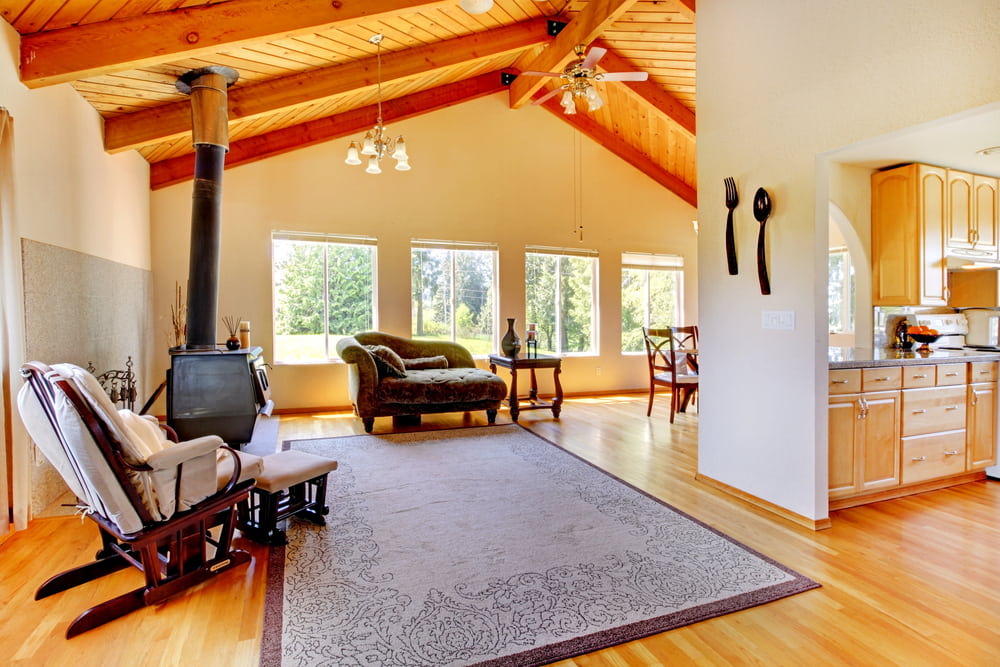
If the boards remain in suitable condition, professional refinishing may address scratches or tired color while preserving material that already fits the house. When replacement is necessary, the existing interior can still guide the new selection. Board dimensions or surrounding millwork may offer useful clues about what will feel natural in the space.
Who can deliver high-quality hardwood flooring in Winston-Salem & the vicinity?
Premier Hardwood Flooring helps homeowners choose new flooring or refinish existing wood in a way that works with the home’s layout and original character. That matters in older homes, where changing one major finish can affect how the rest of the interior comes together.
Homes around Winston-Salem range widely in age and style, including those near the historic residential architecture of the West End Historic District. A carefully selected floor can update an interior without stripping away the qualities that made the house interesting in the first place.
Reach out to schedule a consultation and explore flooring options that fit the age, layout, and character of your home.