
Wide Plank vs. Narrow Plank Hardwood Flooring: Which Is Right for Your Home
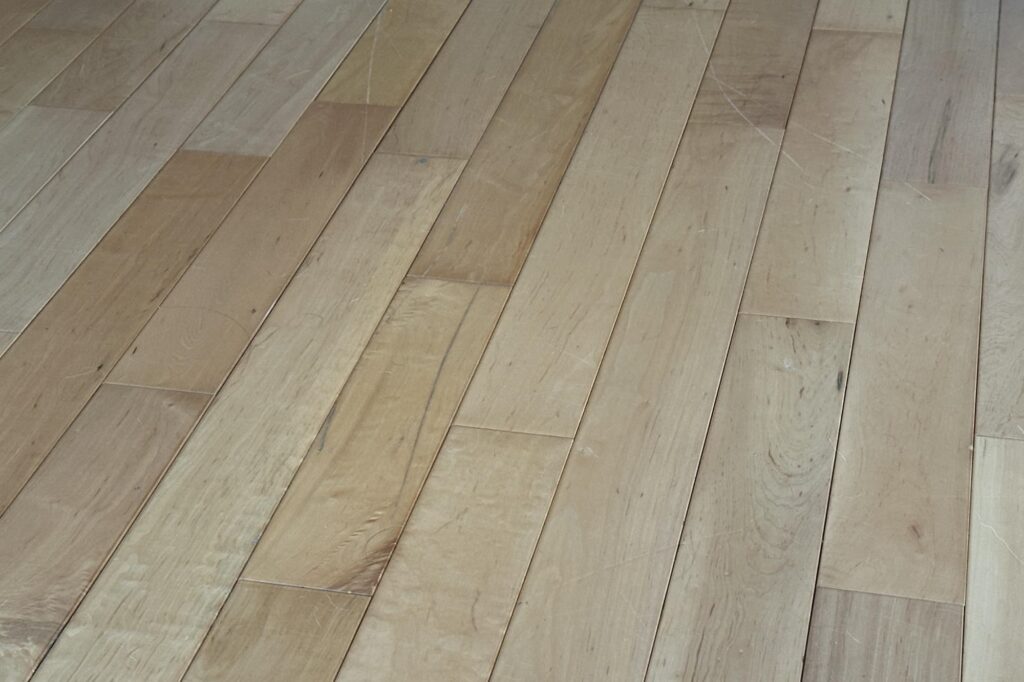
Choosing between wide and narrow planks can change more than the pattern underfoot. Board width affects how open a room feels, how much grain you see, and how the surface responds to daily use. If you are comparing options with a hardwood flooring company in Winston-Salem, the best choice usually depends on your home’s age, layout, light exposure, and design goals.
Both styles can look beautiful when they fit the space. Wide planks often create a calmer, more expansive look. Narrow planks bring rhythm and traditional detail, especially in older homes. Read on to find out how wide and narrow boards compare on cost, upkeep, and how a room reads.
What is the main difference between wide plank and narrow plank floors?
 The biggest difference is visual scale. Wide planks show more of the wood’s natural grain because each board covers more surface area. That can make the room feel more relaxed and spacious, especially in open layouts.
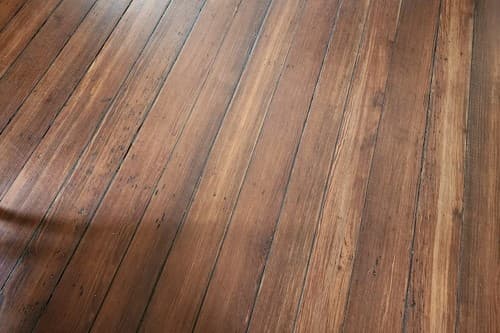
Narrow planks create more seams across the room. This can add movement and structure to the design. In historic homes or rooms with smaller proportions, narrow boards may feel more natural because they echo older installation styles.
Neither option is automatically better. A wide board may suit a modern living room, while a narrower pattern may fit a hallway or older dining room. The right choice comes from matching the plank size to the room instead of choosing only by trend.
What are the downsides of wide plank flooring?
Wide planks can look impressive, but they need thoughtful planning. Because each board is larger, natural expansion and contraction may be more noticeable when indoor humidity changes. That does not mean wide boards are a bad choice. It means the material, acclimation, installation method, and home conditions matter.
Potential drawbacks include:
- More visible seasonal movement
- A higher chance of noticeable gaps if humidity swings sharply
- Greater emphasis on board variation
- A stronger need for careful layout planning
- Possible cost differences depending on species and grade
Wide boards also make the wood species more visible. That can be a benefit if you love bold grain, but it may feel too busy if the room already has heavy furniture or patterned details. Homeowners comparing oak, maple, and cherry floors should pay close attention to grain movement before choosing a wider layout.
Are narrow plank floors coming back in style?
Yes, narrow plank floors are gaining attention again, especially among homeowners who want a more classic or architectural look. They never fully went away, but wider boards have dominated many recent remodels. Now, narrower planks are showing up in homes where owners want texture, detail, and a sense of history.
Narrow boards can work well in:
- Older homes with original trim or traditional millwork
- Smaller rooms where wide boards may feel oversized
- Hallways that need more visual direction
- Spaces where the owner wants a timeless look over a trend-based one
How do you choose the right plank width for your home?
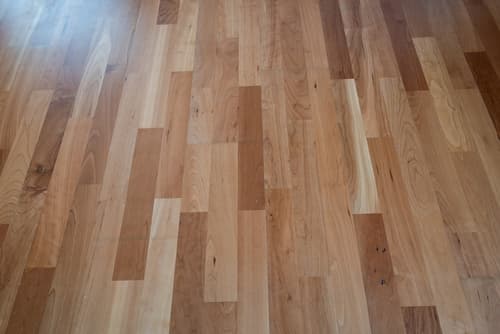 Start by looking at the room itself. Large open spaces can usually handle wider boards, while compact rooms may benefit from narrower proportions. Ceiling height, furniture scale, and natural light should also influence the decision.
A helpful approach is to compare samples in the actual room. Look at them during daylight and again in the evening. A plank that looks perfect in a showroom may feel different next to your wall color or existing trim.
Also think about the mood you want. Wide planks often feel quiet and expansive. Narrow boards can feel detailed and traditional. Medium-width boards can be a practical middle ground when you want flexibility without a strong style statement.
Where can I find a reputable hardwood flooring company in Winston-Salem & beyond?
If you are deciding between wide and narrow planks, Premier Hardwood Flooring can help you compare options based on your home’s layout, light, style, and daily use. Working with an experienced contractor gives you a clearer way to evaluate board width before the project begins. Whether your home is near Old Salem or elsewhere in the area, our team can help you choose a plank style that fits the space and supports the look you want long-term.
Contact us today to schedule a consultation and explore your options.